

The Human Context Layer for Artificial Intelligence
AI generates intelligence. Human context makes it adaptive.
Neurologyca is the infrastructure layer that transforms human behavior and situational context into actionable insights for people, adaptive intelligence for systems, and persistent contextual memory across AI interactions.
AI Performance Depends on Human Interaction
AI can reason, generate, and execute, but it still lacks visibility into the humans it serves.
Every interaction is an ongoing exchange between system output and human response. Models optimize for output, but outcomes depend on both. Without a layer that reads the human side, systems are vulnerable to:


The Adaptation Model
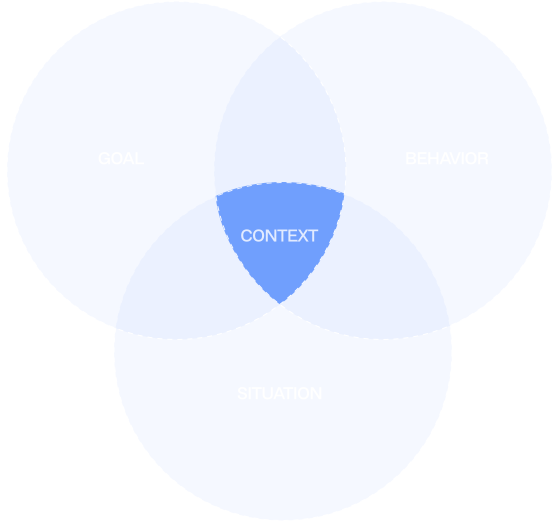
Human context emerges at the intersection of goals, behaviors, and situations. By understanding that relationship, the platform determines when adaptation is required.

Insights for People
Behavioral feedback that improves communication, learning, performance, and decision-making.
Intelligence for Systems
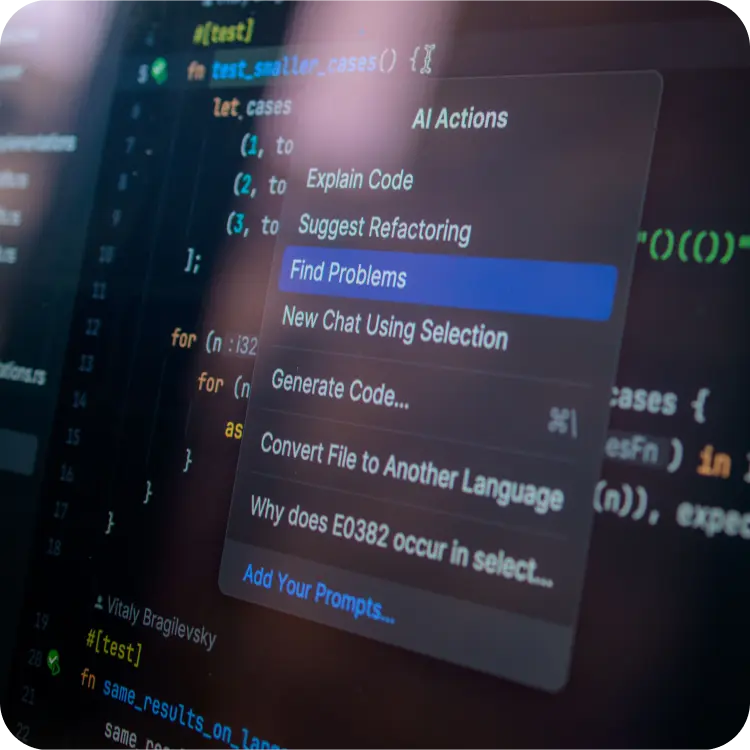
Real-time guidance that helps systems adapt, simplify, reinforce, escalate, or redirect interactions.

Persistent Human Context
A privacy-controlled contextual memory layer that allows systems to retain continuity, personalization, and adaptive intelligence across sessions, workflows, devices, and environments.
Together, these create a compounding intelligence flywheel between human response, system behavior, and contextual memory over time.
Signals → Context → Adaptation
Neurologyca integrates into existing applications through a simple API or SDK, transforming multimodal interaction signals into machine-readable human context that intelligent systems can understand and act upon.

Ingest
Receive multimodal interaction signals and contextual inputs from existing applications, devices, or workflows in real time or asynchronously.

Interpret
Combine behavioral signals, interaction goals, and situational context to infer the human context behind every interaction.

Adapt
Enable systems to personalize experiences, guide decisions, and adapt interactions while providing actionable insights for people.
Infrastructure for the Interaction Loop
Human context is a foundational input to intelligent systems. Neurologyca provides the infrastructure that enables AI to understand, adapt to, and maintain continuity with the people it serves.
Human Context Indicators
Structured signals that quantify engagement, confidence, stress, attention, trust, and other dimensions of human interaction.
Adaptive Guidance
Recommendations that help systems determine when to reinforce, simplify, escalate, redirect, or personalize interactions.
Contextual Memory
Persistent understanding that enables continuity and personalization across interactions over time.

Where This Matters
Any system whose success depends on human response can benefit from human context.
High-Stakes Decision Support
Telemedicine, Driver Safety
Skill Acquisition and Performance
Education, Coaching and Training
Autonomous Agents and Workflows
Wellness, Enterprise Systems, Agentic Workflows
Consumer and Interactive Systems
On-Device Agents, Gaming and Interactive Media, Creator Tools and Testing


Governance
by Design
Neurologyca derives human context from interactions, not identity.
Signals and contextual memory are governed through configurable controls that enable organizations to implement their own privacy, security, and compliance policies.
Signals and contextual memory remain governed through configurable permissions, deployment controls, and federated architectures that preserve control across systems, devices, and environments.
Every output is explainable, auditable, and governed by configurable policies designed for enterprise, regulated, and high-trust environments.
Built on Real-World Human Alignment
Neurologyca is built on years of research and enterprise deployments focused on how humans respond, adapt, and make decisions in real-world interactions.
Our models are trained on outcome-linked interaction data that captures how people respond across different goals, situations, and environments.
This foundation enables Neurologyca to transform human behavior into machine-readable context, helping intelligent systems align actions with human needs, adapt to changing circumstances, and maintain continuity over time.
Early Access and
Strategic Partnerships
Neurologyca is onboarding select partners building the next generation of intelligent systems, adaptive applications, and AI-powered experiences.
If you're exploring how human context can improve AI behavior, interaction quality, and real-world results, we'd love to connect.